
Updated updated August 2026: This guide has been refreshed with the latest insights and recommendations for couples getting married in 2026 and beyond.
Why a Micro Wedding Might Be Perfect for You
There are so many reasons why a micro wedding might be the perfect choice for your big day. Whether you’re drawn to a more intimate atmosphere, a stress-free planning experience, or the freedom to break away from wedding traditions, micro weddings offer a meaningful, personal way to celebrate your love.
In this guide, I’ll break down everything you need to know about planning a micro wedding—from choosing a venue to crafting a day that feels uniquely YOU. Ready to start dreaming up your perfect wedding day?

What is a Micro Wedding?
If you’re engaged and planning your wedding, you may have come across the term "micro wedding." But what exactly does that mean?
A micro wedding is an intimate, small-scale wedding typically with around 30 or fewer guests. While the term gained popularity in 2020 due to the rise of smaller celebrations, micro weddings have become a lasting trend, offering couples a way to create a deeply personal, meaningful, and stress-free wedding day.
Unlike a traditional larger scale wedding, a micro wedding can be as structured or as unconventional as you like. Some couples follow the flow of a traditional wedding day (ceremony, dinner, and reception), while others ditch the traditions entirely, choosing instead to celebrate with an adventure-filled day in a place that feels truly special to them.
So, is a Micro Wedding right for you?
One of the biggest misconceptions about micro weddings is that they're simply "small weddings."
In reality, they're often an entirely different experience. A larger more traditional wedding asks, "How can we celebrate with everyone we know?" A micro wedding asks a different question:
"How do we want this day to feel?"
That subtle shift changes everything. Instead of building a wedding around expectations, timelines, and logistics, couples planning a micro wedding often begin with the experience they want to have together. From there, every decision naturally falls into place.
A micro wedding might be the perfect fit if you find yourself saying things like:
• We'd rather have thirty people we truly know than two hundred acquaintances.
• We'd rather invest in incredible food, meaningful experiences, beautiful photography, or an unforgettable honeymoon than a massive guest list.
• We love the idea of actually spending quality time with every guest.
• We want a day that feels relaxed instead of rushed.
• We aren't interested in planning a wedding just because it's "what you're supposed to do."
For many couples, choosing a micro wedding isn't about doing less. It's about creating more space for the things that matter most. More conversations, more laughter, more time together, more memories you'll actually remember. And perhaps most importantly... more presence.
Why couples are choosing Micro Weddings:
There isn't one reason couples choose a micro wedding. Usually it's a combination of many.
Over the past several years I've seen couples choose intimate weddings because they wanted their day to feel less performative and more personal. They wanted to celebrate with intention instead of obligation.
Some of the biggest reasons include:
More Connection – One of the greatest gifts of a smaller guest list is time. Instead of briefly saying hello to 150 guests before the night is over, you'll likely have meaningful conversations with everyone present. You'll remember the hugs, the laughter, and the little moments that often disappear during larger weddings.
A More Relaxed Wedding Day – Without managing hundreds of guests, large timelines, and constant transitions, your day naturally becomes more relaxed. Many micro wedding couples tell me their wedding feels less like hosting an event and more like spending an incredible day with their favorite people.
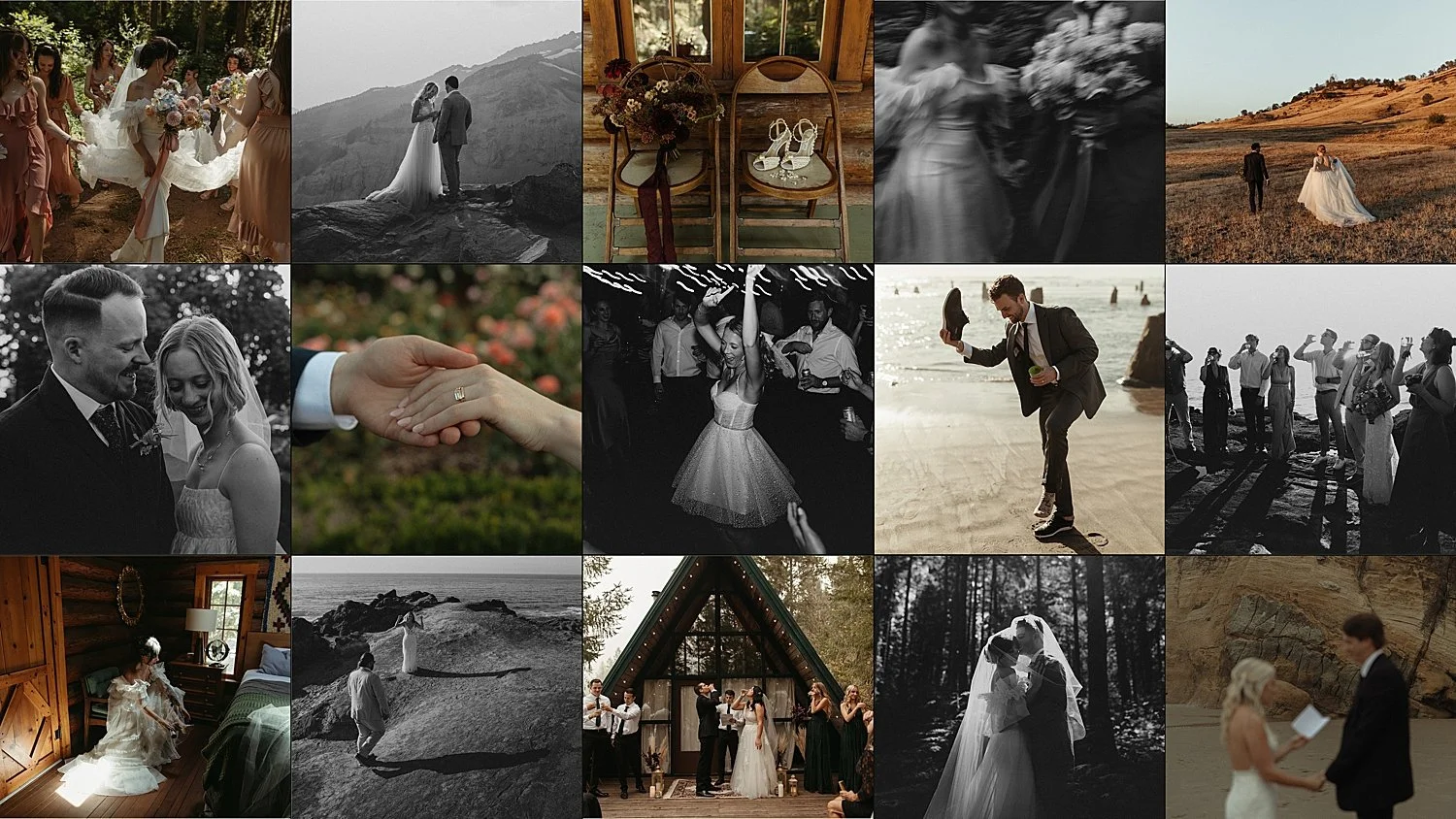
Freedom to Create a Day That Actually Reflects You – One couple might exchange vows overlooking the Oregon Coast before sharing dinner with their families.
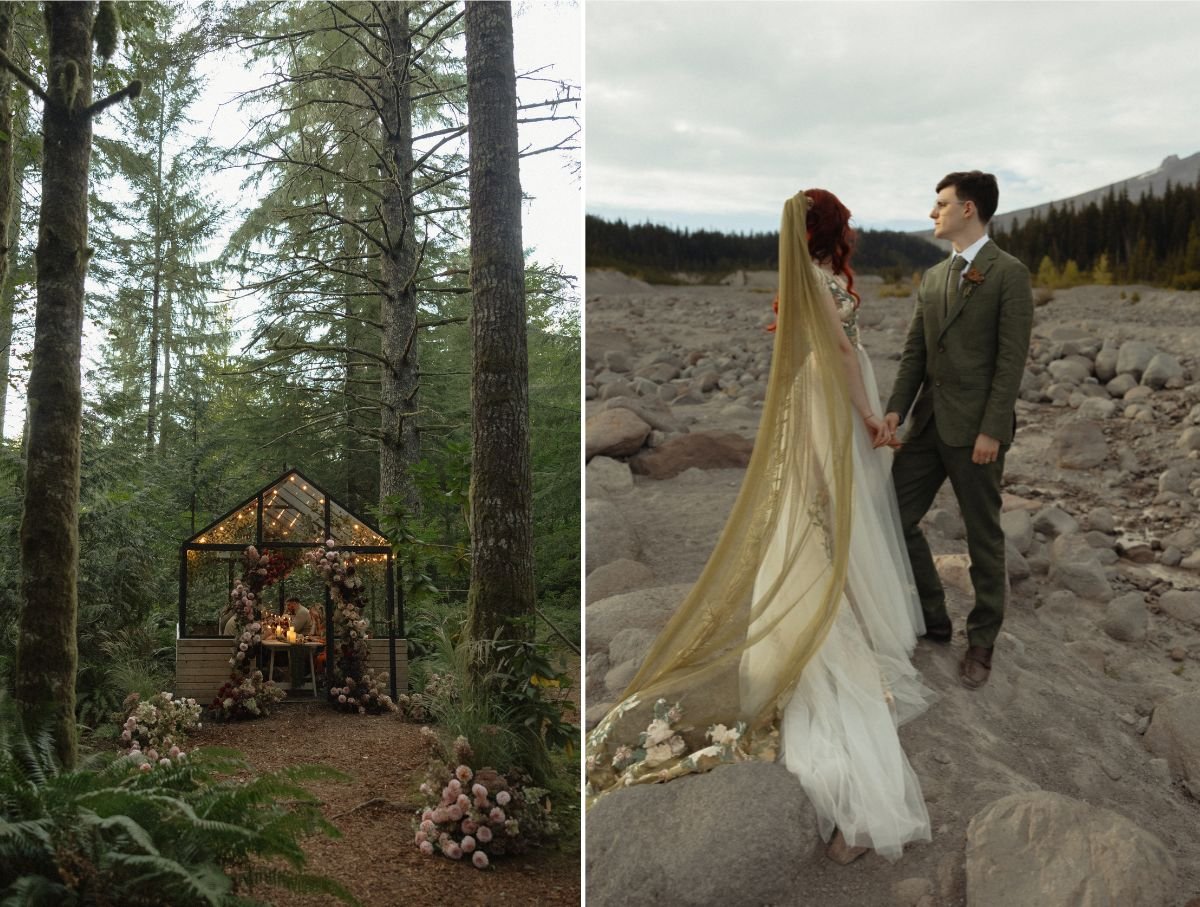
Another might rent a cozy cabin, spend the afternoon hiking together, and celebrate around a long dinner table beneath string lights.
Another might book an all-inclusive venue where nearly every detail has already been thoughtfully planned.
There isn't one "right" way to have a micro wedding. That's exactly what makes them so special.
Flexibility With Your Budget – Micro weddings don't necessarily cost less.
Instead, they allow couples to prioritize differently.
Rather than stretching a budget across hundreds of guests, many couples choose to invest in things they'll remember forever: incredible food, meaningful photography, unique venues, live music, beautiful floral design, maybe even an unforgettable honeymoon.
It's less about spending less. It's about spending intentionally.
The best part? No two micro weddings look the same, because no two couples are exactly alike.
From Behind the Camera
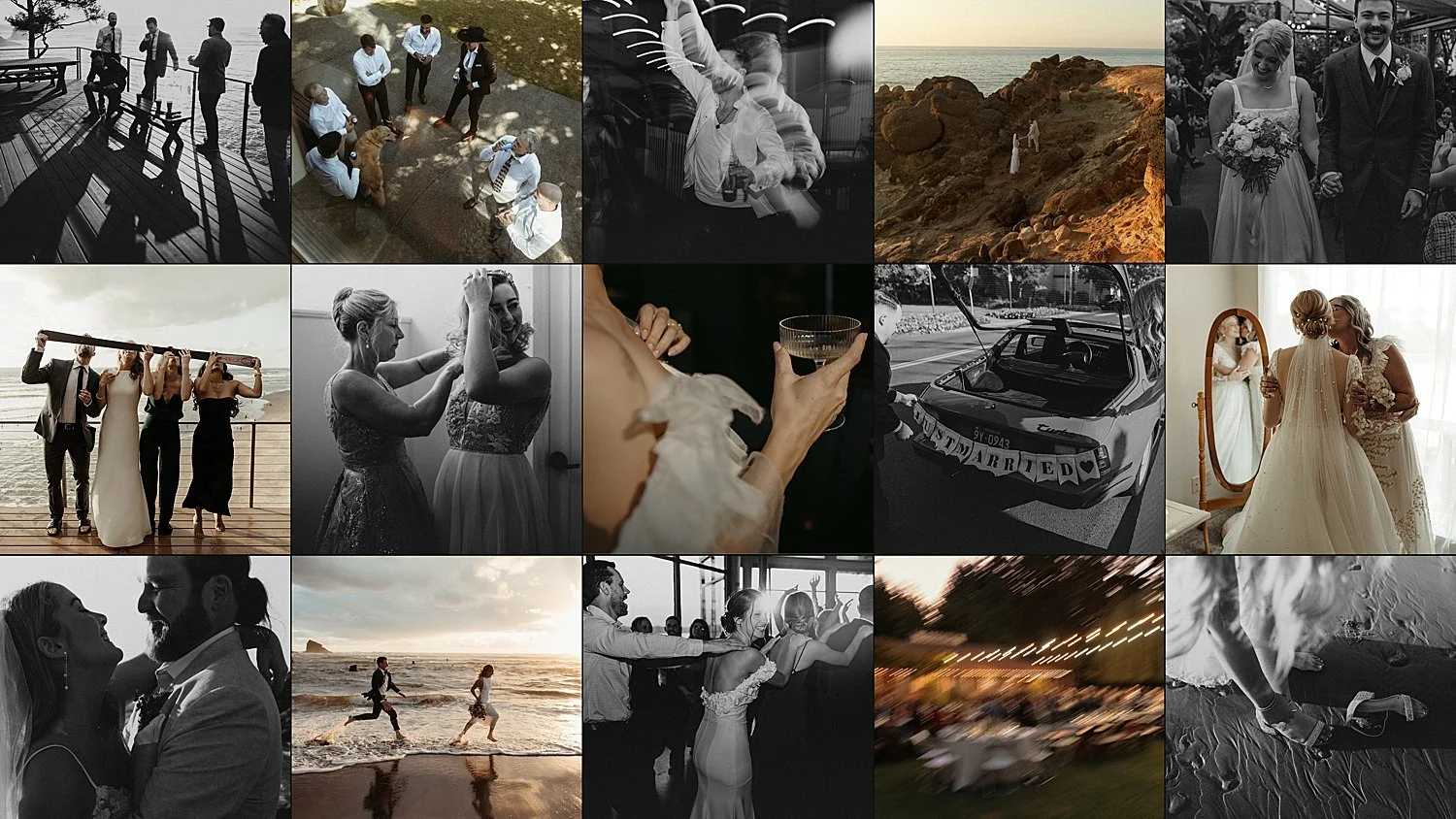
After photographing weddings for years, I've noticed something interesting. At larger weddings, couples often tell me the day feels like it flew by. They're constantly moving from one obligation to the next, trying to greet every guest, stay on schedule, and keep everything running smoothly.
At micro weddings, something shifts. People linger. They laugh longer. Dinner conversations stretch late into the evening. Loved ones cry during toasts because everyone can actually hear every word. Friends stay close instead of scattering across a crowded ballroom.
The pace slows down. Those are often the moments couples tell me they treasure most afterward.
How to Actually Plan Your Micro Wedding (Step by Step)
Planning a micro wedding can feel surprisingly overwhelming at first, not because there are too many rules, but because there are almost none.
Unlike a traditional wedding where there's often an expected timeline and checklist to follow, a micro wedding gives you complete freedom to create a day that reflects your relationship. That freedom is exciting, but it can also leave couples wondering where to even begin.
The good news?
Planning a meaningful micro wedding doesn't have to be complicated.
After photographing intimate weddings throughout Oregon and beyond, I've noticed that the most memorable celebrations all have one thing in common: they weren't built around traditions. They were built around intention.
Here's the process I recommend to every couple.
STEP ONE: Decide How You Want the Day to Feel
Before you open Pinterest, start touring venues, or create a guest list, spend an evening together answering one simple question:
"If we could remember only one feeling from our wedding day twenty years from now, what would we want that feeling to be?"
Maybe your answer is peaceful. Maybe adventurous. Maybe joyful. Maybe deeply intimate.
That answer becomes your compass for every decision that follows. For example: if you want your wedding to feel relaxed, maybe a backyard dinner with your closest people fits better than a ballroom. If you want adventure, perhaps sunrise vows overlooking the Oregon Coast or a cabin by an alpine lake feel more like you.
When you begin with the feeling instead of the logistics, planning becomes dramatically easier.
STEP TWO: Create Your Guest List
One of the defining characteristics of a micro wedding is the guest list. Every single person there should genuinely matter to your story. That doesn't necessarily mean only immediate family. It means inviting the people who actively support your relationship and whose presence would genuinely make your day feel richer. When deciding who to invite, ask yourselves:
• Would we naturally spend time with this person outside of our wedding?
• Does this person actively support our relationship?
• Will we be excited to see them on one of the biggest days of our lives?
If the answer is no, it may be okay to lovingly leave them off the list. A smaller guest list isn't about excluding people. It's about creating space for deeper connection with the people who matter most.
“What if someone can't come?”
If important people can't attend, there are still meaningful ways to include them. Consider:
• Live streaming your ceremony.
• Recording private vows to share afterward.
• Mailing handwritten letters before the wedding.
• Hosting a casual dinner celebration when you return.
Sometimes the people who love you most simply can't travel. That doesn't mean they can't still feel part of your day.
STEP THREE: Choose the Experience Before the Venue
Instead of asking: "Where should we get married?"
Ask: "What do we want to do together?"
Would you rather... watch sunrise over the ocean? Spend the morning hiking? Have brunch afterward? Share private vows in the forest? Rent a beautiful home for the weekend? Cook dinner together with family? Dance under string lights?
Once you know what your ideal day looks like, the right venue often becomes obvious.
STEP FOUR: Find the Perfect Location
Popular Places to Host a Micro Wedding: Airbnbs, Private estates, Family properties, Hipcamp, National Parks, State Parks, Forest cabins, Beach houses, Peerspace, Greenhouses, Wineries, Botanical gardens, Small event venues.
Oregon Venues Offering Micro Wedding Packages:
One of my favorite trends I've seen recently is venues beginning to offer dedicated micro wedding packages.
Instead of coordinating multiple vendors yourself, these packages often include many of the essentials already built in, making planning dramatically easier while still allowing plenty of room to personalize your day.
Depending on the package, couples may have access to elements like floral design, an officiant, tables and chairs, décor, and additional planning support, making it an incredible option for anyone wanting a simpler planning experience.
I'd encourage asking venues you're considering whether they offer dedicated micro wedding packages. More venues are beginning to create them, and they're often one of the easiest ways to simplify planning while still creating an incredibly personal celebration.
Or, if you’re looking for something even more off-grid and intimate, you can explore my Elopement Guide for more information and tips on that!
Designing a Micro Wedding That Feels Like You
One of the most meaningful parts of planning a micro wedding is that you have the freedom to make every detail feel personal.
With fewer guests and fewer expectations to manage, you can move beyond the standard wedding checklist and focus on the atmosphere you want to create. That might mean an elegant dinner gathered around one long table, a relaxed weekend at a cabin, a candlelit celebration in the city, or a ceremony surrounded by trees with only the people who know you best.
The goal is not to make your wedding different simply for the sake of being different. It is to build a day that feels honest to your relationship.
Before choosing décor, colors, or details, return to the feeling you identified earlier in the planning process. Ask yourselves:
What do we want our guests to feel when they arrive?
What parts of our relationship do we want reflected in the day?
Which details would feel meaningful even if nobody photographed or posted them?
What will help the space feel warm, inviting, and unmistakably ours?
Once you know the answer, the visual details become much easier to choose.
Focus on Atmosphere Before Objects
It is easy to begin planning by making a shopping list, but atmosphere usually comes from a few thoughtful choices working together.
Consider the light, music, food, flowers, textures, and pace of the day. A room filled with candles, a carefully chosen playlist, a beautiful meal, and handwritten notes may create far more emotional impact than dozens of decorative items.
With a micro wedding, you can often invest in fewer pieces with more presence.
That might look like: one dramatic floral installation, an intentionally designed ceremony backdrop, beautiful linens and tableware for a shared dinner, custom menus or handwritten place cards, a meaningful family heirloom incorporated into the ceremony, candles, string lights, or soft ambient lighting, locally made favors your guests will genuinely use, printed photographs from your relationship displayed throughout the space
You do not need to fill every surface or follow every current wedding trend. Choose the details that deepen the experience.
Let the Location Do Some of the Work
A strong location often needs very little decoration.
If you are getting married along the Oregon Coast, in a forest, at a vineyard, or inside an architecturally beautiful venue, allow that setting to remain part of the visual story. Décor should complement the environment rather than compete with it.
A dramatic landscape might only need florals, a few chairs, and the people you love. A beautiful restaurant may already provide the lighting, tables, artwork, and atmosphere. A backyard may come alive with one long table, café lights, and flowers gathered from a local farm.
Choosing a location that already reflects your aesthetic can reduce both your decorating budget and the amount of setup required.
Where to Find Micro Wedding Inspiration
Pinterest can be helpful when you use it as a tool rather than a rulebook.
Instead of trying to replicate one wedding exactly, pay attention to the repeated elements you are drawn to. Maybe you keep saving intimate dinner tables, organic florals, documentary photographs, vintage details, or candlelit spaces. Those patterns can help you understand the atmosphere you actually want.
When saving ideas, give yourselves permission to leave behind anything that looks beautiful but does not feel connected to you. Your wedding does not need to resemble a styled shoot. It needs to feel good to live inside.
The details people remember are rarely the ones chosen only because they looked impressive. They remember the letter waiting at their seat. The song that played while everyone gathered. The meal that lasted two hours because nobody wanted to leave the table. The flowers from a loved one’s garden. The moment everyone stepped outside to watch the sunset. Visual beauty matters, but meaning is what gives beauty staying power.
You can explore my inspiration boards here:
Choosing the Right Vendors for Your Micro Wedding
A smaller wedding does not automatically mean you need fewer professionals.
Instead, it gives you the freedom to choose vendors more intentionally.
Some couples keep their vendor team minimal and focus on photography, food, florals, and an officiant. Others create a more layered experience with a planner, private chef, live musician, videographer, rentals, beauty services, and custom design.
There is no correct number of vendors. The right team depends on how involved you want to be in the planning and what elements matter most to you.
Look for Vendors Who Understand Intimate Weddings
Micro weddings have a different rhythm than large-scale events.
There may be fewer formal transitions, more time spent together, a nontraditional location, or a flexible timeline that changes with the weather and light. Vendors who regularly work with intimate celebrations will usually understand how to support that pace without turning the day into a smaller version of a traditional wedding.
When reaching out, ask whether they:
have experience with micro weddings or elopements
offer flexible collections for smaller celebrations
are comfortable working in nontraditional venues
can travel between multiple locations
help with timeline creation or logistics
collaborate well with a small vendor team
understand the importance of preserving an intimate atmosphere
A thoughtful vendor should not make you feel like your wedding is too small to matter.
Vendors You May Want to Consider
Depending on your plans, your team might include:
Photographer: Someone whose work reflects how you want the day to feel and who can help create a timeline that balances documentation with presence.
Planner or coordinator: Especially useful if your celebration includes rentals, travel, multiple vendors, a private property, or an involved setup.
Officiant: A professional officiant, close friend, or family member who can create a ceremony that feels personal.
Florist: Even a small floral investment can shape the atmosphere through a bouquet, ceremony arrangement, or dinner-table installation.
Private chef or caterer: A smaller guest list can make an elevated dining experience more accessible and personal.
Hair and makeup artist: Helpful not only for styling but for creating a calm, supported start to the day.
Videographer: Particularly meaningful if important loved ones cannot attend or you want to preserve vows, speeches, and movement.
Musician or DJ: Live music can transform a ceremony or dinner, while a thoughtful playlist may be all you need for a relaxed celebration.
Ask About Micro-Wedding Collections
More vendors are creating collections specifically for intimate weddings, weekday events, and shorter celebrations.
Do not assume the only option is a standard full-wedding package. Ask whether the vendor offers custom hours, bundled services, weekday pricing, or a micro-wedding experience designed around your guest count and plans.
The best packages should simplify your planning without forcing you into a day that feels generic.
How Much Does a Micro Wedding Cost?
One of the most common assumptions about micro weddings is that they are always inexpensive.
They can cost less than a large traditional wedding, but the real advantage is not necessarily spending as little as possible. It is having more control over where your money goes.
With fewer guests, you may spend less on catering, rentals, invitations, transportation, and venue capacity. That can create room in your budget for the elements you care about most.
Some couples use the savings for:
a venue they truly love
an exceptional meal
more photography coverage
custom florals
a weekend-long experience
meaningful guest gifts
travel or lodging
a longer honeymoon
Other couples intentionally keep the entire celebration simple and affordable. Both approaches are valid.
Build Your Budget Around Priorities
Before collecting quotes, choose the three things that matter most to you.
For example:
A beautiful and private location
Photography that preserves the full experience
An unforgettable meal with your guests
Those priorities should receive the strongest part of your budget. Everything else can be adjusted around them.
A micro wedding budget might include:
venue or location fees
permits
photography
planning or coordination
food and drinks
attire
florals
officiant
hair and makeup
videography
rentals
transportation
lodging
music
stationery
décor
marriage-license expenses
Remember to include taxes, travel fees, delivery charges, and potential weather backup costs. These smaller expenses can add up quickly if they are not considered from the beginning.
From Behind the Camera
The most beautiful micro weddings I have photographed were not necessarily the most expensive.
They were the ones where the couple knew what mattered to them.
They invested in those pieces, released the pressure to impress everyone else, and allowed the day to remain grounded in their relationship. The result felt cohesive because the decisions were connected to a shared vision rather than a collection of unrelated wedding trends.
Example of a Relaxed Micro Wedding Timeline
One of the best things about a micro wedding is that the timeline does not need to feel compressed simply because the guest count is smaller.
In fact, intimate weddings often benefit from more breathing room.
Here is an example of what a relaxed six-hour micro wedding could look like (this does not need to apply to your day, simply meant to offer as a visual idea):
2:00 PM: Getting Ready
Photographs of the final getting-ready moments, meaningful details, and time with the people closest to you.
2:45 PM: First Look and Private Vows
A quiet moment together before the ceremony, with space to read private vows or exchange letters.
3:30 PM: Couple Portraits
Time to explore the property or nearby landscape without feeling rushed.
4:30 PM: Ceremony
Your closest people gather for a personal ceremony that may include readings, music, or participation from loved ones.
5:00 PM: Celebration and Family Photographs
Champagne, hugs, family portraits, and candid time with guests.
5:45 PM: Dinner
A shared meal, whether that is a private-chef experience, family-style dinner, catered picnic, or restaurant reservation.
7:00 PM: Toasts, Dessert, and Connection
The evening slows down for stories, dessert, music, or an informal first dance.
7:30 PM: Golden-Hour Portraits
A short break together during the best light of the evening.
8:00 PM: Coverage Ends
You return to your guests for a bonfire, games, dancing, or a quiet evening together.
This is only one example. Your timeline could begin at sunrise, include a hike, extend through an entire weekend, or center around dinner in the city.
The best micro wedding timeline is not the one that fits the most into the day. It is the one that gives the moments you value enough space to unfold.
Micro Wedding Planning Checklist
Once you have the larger vision in place, use this checklist to keep the logistics moving.
Early Planning
Decide how you want the day to feel
Choose an approximate guest count
Establish a working budget
Select your top priorities
Choose a season and general location
Research venues or private properties
Hire your photographer
Determine whether you need a planner
Once the Location Is Secured
Confirm venue rules and guest capacity
Research permits
Book lodging
Hire remaining vendors
Create a weather backup plan
Review transportation and parking
Confirm ceremony requirements
Apply for your marriage license within the correct timeframe
Two to Three Months Before
Build the wedding-day timeline
Finalize the menu
Confirm florals and rentals
Plan the ceremony
Write vows
Select music
Finalize attire
Communicate travel details to guests
Create a detailed packing list
Final Weeks
Confirm vendor arrival times
Check permit requirements again
Review the weather
Prepare tips and final payments
Pack vows, rings, license, and meaningful details
Assign someone to transport personal items
Give yourselves permission to stop adding things
That final step matters. At some point, planning has to become experiencing.
Frequently Asked Questions About Micro Weddings:
-
Most micro weddings include approximately 10 to 30 guests, although there is no universal cutoff. Some celebrations may include closer to 40 or 50 people and still feel intimate. The defining quality is not only the number of guests, but the smaller scale and intentional experience.
-
An elopement usually centers almost entirely on the couple and may include no guests or only a few loved ones. A micro wedding generally includes a more established guest list and may follow parts of a traditional wedding structure, such as a ceremony, dinner, toasts, or reception.
The two can overlap, and you do not need to force your celebration into one label.
-
Not always.
Fewer guests can reduce some costs, but many couples use that flexibility to invest more deeply in their venue, food, photography, florals, or travel. A micro wedding gives you greater control over your spending rather than guaranteeing a specific price.
-
Absolutely.
You can include attendants, skip the wedding party entirely, or invite friends to participate in less formal ways. Some couples ask loved ones to help with readings, music, getting ready, or ceremony rituals rather than assigning traditional roles.
-
Yes.
A micro wedding can include dinner, toasts, cake, live music, dancing, and any traditions you enjoy. It can also end with a restaurant meal, bonfire, beach picnic, or quiet evening at a cabin. The smaller size does not limit the celebration.
-
Not necessarily, but planning support can be extremely helpful when you are using a private property, coordinating rentals, hosting a destination celebration, or managing multiple locations.
A venue coordinator generally oversees the venue itself. A wedding planner or coordinator manages the broader experience and vendor logistics. Be sure you understand which services are included before assuming the venue will manage the entire day.
-
That depends on the experience you are planning.
A short ceremony and portraits may require only a few hours, while a full micro wedding with getting ready, guests, dinner, toasts, and multiple locations may benefit from six to eight.
Do not choose coverage only based on guest count. Choose it based on how much of the story you want preserved.
-
Possibly (I’ve photographed many Airbnb weddings), but you must receive explicit permission from the property owner and review the platform, local, insurance, parking, noise, and event rules.
Never assume a rental allows events because the property appears suitable in photographs. Get all permissions in writing before booking vendors or inviting guests.
-
They can be an excellent choice.
Weekdays often provide better venue availability, quieter public locations, more vendor flexibility, and fewer crowds. The main consideration is whether your most important guests can take time away from work or travel.
-
If you want the ceremony to create a legal marriage, yes. Requirements vary by location, so confirm the marriage-license timeline, officiant rules, witness requirements, and filing process for the state or county where you are marrying.
Some couples complete the legal paperwork separately and treat their micro wedding ceremony as symbolic.
Real Micro Wedding Inspiration
No two intimate weddings look exactly alike, which is part of what makes them so meaningful.
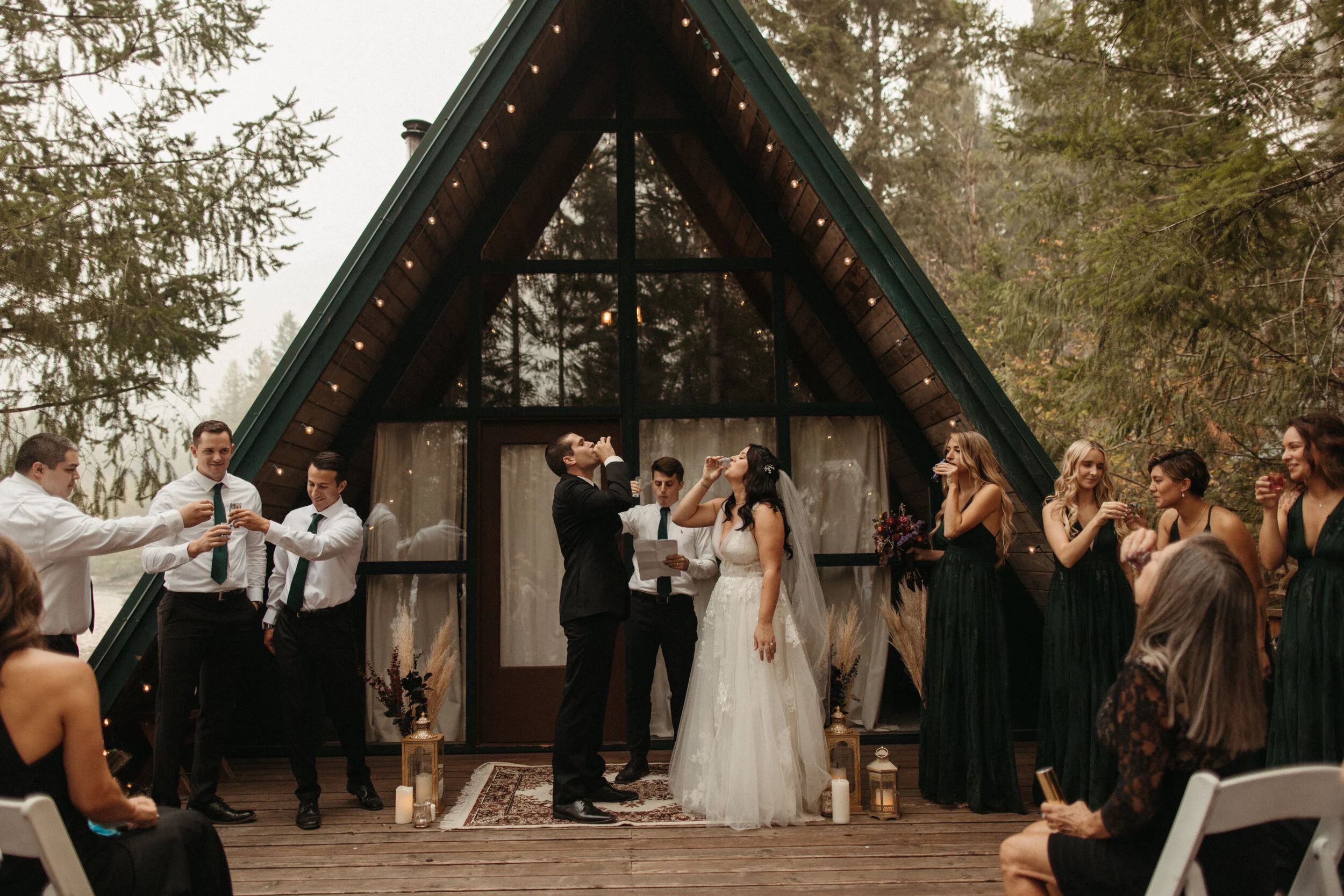
Some couples gather their closest people at a cabin in the woods. Others celebrate beside the ocean, rent a home for the weekend, or cross state lines for a place that feels unforgettable.
The real weddings below show several ways couples have created small celebrations without sacrificing beauty, emotion, or experience. Use them as inspiration, but remember that your day does not need to resemble anyone else’s.
Your wedding can be quiet, adventurous, elegant, playful, traditional, unconventional, or some beautiful combination of all of them.





Planning a Micro Wedding in Oregon?
Maybe you are imagining vows beside the ocean, dinner with twenty people at a Portland venue, a weekend at a cabin near Mt. Hood, or a celebration somewhere that does not quite fit into a traditional wedding category.
That is the beauty of a micro wedding.
It gives you permission to build a day around the way you want to feel, the people you genuinely want beside you, and the memories you hope to carry forward.
As an Oregon wedding and elopement photographer, I help couples create thoughtful timelines, choose locations, prepare for changing weather, and make room for the moments that cannot be planned. My approach is documentary at heart, with enough direction to help you feel comfortable and enough space for your day to remain fully yours.
You do not need to arrive with every detail figured out.
Bring me the beginning of an idea, the place you cannot stop thinking about, or simply the feeling you want your wedding to hold. We can shape the rest together.
Continue Planning Your Oregon Wedding
Still exploring what your celebration could look like? These guides may help:
Explore Oregon Airbnb Wedding Venues
For intimate properties, cabins, and private stays that may work for a small celebration.
Browse the Best Wedding Venues in Oregon
A broader guide to venues across the state, including city spaces, wineries, forests, and destination properties.
Discover Willamette Valley Winery Wedding Venues
For couples dreaming of a refined vineyard celebration in Oregon wine country.
Plan an Oregon Coast Elopement or Tiny Wedding
For location ideas, seasonal guidance, logistics, and coastal planning advice.
Explore My Elopement Planning Guide
For couples considering an even smaller, more adventurous experience.
Save This Micro Wedding Planning Guide
Not ready to make every decision today? Save this guide to Pinterest so you can return to the planning steps, timeline ideas, venue resources, and frequently asked questions later:
